


Unveiling History: How African Americans Transformed the Labor Movement
Discover the untold stories of African American leaders who shaped the labor movement and fought for justice in the workplace.
Share
February 3, 2025
Discover the untold stories of African American leaders who shaped the labor movement and fought for justice in the workplace.
Share
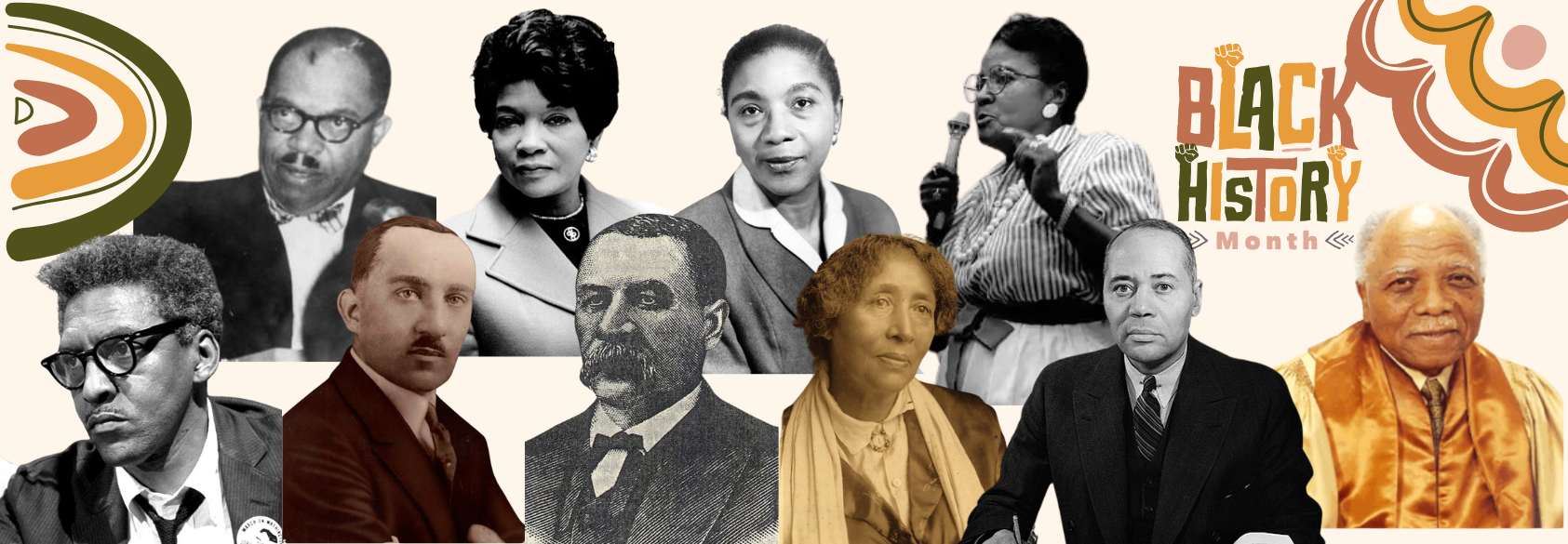
The 2025 Black History Month theme, African Americans and Labor, highlights the profound ways labor intersects with the collective experiences of Black workers. From the skilled to the unskilled, from voluntary to unfree labor, African Americans have shaped and defined the labor movement while advocating for equity, justice and dignity in the workplace. This month, we take a moment to honor some of the heroes whose contributions have left an indelible mark on both labor rights and civil rights.

A pioneering leader, Isaac Myers founded the Colored National Labor Union in 1869 to advocate for Black workers who were often excluded from mainstream unions. Myers championed economic independence and dignity, paving the way for future labor organizing.

A fearless labor organizer of African, Mexican and Native American descent, Lucy Parsons co-founded the Industrial Workers of the World and was a vocal advocate for workers' rights, particularly for marginalized and underpaid communities.

A trailblazer in the labor movement, Addie Wyatt became the first female international vice president of a major labor union, the Amalgamated Meat Cutters and Butcher Workmen of North America. Her work extended to civil rights, where she fought for equity in both the workplace and society.

Theodore Roosevelt Mason Howard organized Black workers in the Mississippi Delta, advocating for fair wages and racial equality in dangerous and segregated environments. His leadership demonstrated the power of community-driven labor activism.

A key figure in the Brotherhood of Sleeping Car Porters, Cottrell Laurence Dellums helped secure better working conditions and wages for African American railroad workers. His leadership later elevated him to the presidency of the union, where he continued to fight for racial and labor justice.

Known as the "grandmother of the labor movement," Maida Springer-Kemp was a pioneering labor organizer and international advocate for workers' rights, particularly in Africa, where she supported emerging labor movements.

Dorothy Lee Bolden founded the National Domestic Workers Union of America in 1968, advocating for fair pay and better working conditions for domestic workers—many of whom were African American women.

Franklin Florence was a labor and civil rights leader who worked tirelessly to improve wages and working conditions for African Americans. His work with the FIGHT organization demonstrated the power of community-led change.

As the chief strategist behind the March on Washington for Jobs and Freedom, Bayard Rustin worked at the intersection of civil rights and labor rights. His advocacy connected unions and movements to fight for justice on all fronts.

Known as "the man who killed Jim Crow," Charles Hamilton Houston’s legal work laid the foundation for racial equality in labor and education. His efforts inspired future leaders like Supreme Court Justice Thurgood Marshall and challenged segregation in workplaces.
These heroes remind us that the fight for labor rights is deeply intertwined with the struggle for racial justice. Their work laid the groundwork for many of the protections and opportunities we often take for granted today. From advocating for better wages to ensuring workplace equity, their contributions remain a vital part of our collective history.
This Black History Month, let’s honor their legacy by continuing the fight for fairness, equity and justice in the workplace. Share their stories with your students using Share My Lesson’s curated resources on African American history, labor and civil rights.
Within this collection, you will find a variety of resources designed to help you effectively celebrate Black history and inspire year-round discussions on the subject. From lesson plans and classroom activities to blogs and free professional development webinars, these resources are meant to support educators in bringing Black history to life in the classroom.
Want to see more stories like this one? Subscribe to the SML e-newsletter!