


Introducing Generation Earthshot
This toolkit takes its lead from the principles of design thinking, simplified so that they can be applied throughout different areas of the curriculum.
Share
October 14, 2021
This toolkit takes its lead from the principles of design thinking, simplified so that they can be applied throughout different areas of the curriculum.
Share
By Jack Davies, program manager, World’s Largest Lesson
As champions of education, you may be interested to hear about an exciting, new and much-needed way to bring global learning and compassion for our planet into your classrooms. It's called Generation Earthshot, and you can access these innovative teacher toolkit resources to complement your existing lessons and other work with students.
In the current context of the climate and ecological crisis we’re facing, it’s clear we are in the middle of an educational emergency. As Prince William said when he announced the Earthshot Prize last year, “The Earth is at a tipping point and we face a stark choice: Either we continue as we are and irreparably damage our planet, or we remember our unique power as human beings and our continual ability to lead, innovate and problem-solve.”
The Earthshot Prize is the most ambitious and prestigious of its kind—designed to incentivize change and help to repair our planet over the next 10 years. The prize is backed by the Earthshot Prize Council, a global team of influential individuals, including Prince William, Her Majesty Queen Rania Al Abdullah, Sir David Attenborough, Shakira Mebarak and Christiana Figueres.
One year on from Prince William’s announcement, we are fast approaching the first ever Earthshot Prize awards in London. Five 1 million-pound prizes will be awarded to solutions to:
It comes just weeks before the United Kingdom hosts the 26th UN Climate Change Conference of the Parties (COP 26) in Glasgow, Scotland, from Oct. 31 – Nov. 12, 2021. The climate talks will bring together heads of state, climate experts and campaigners to agree on coordinated action to tackle climate change
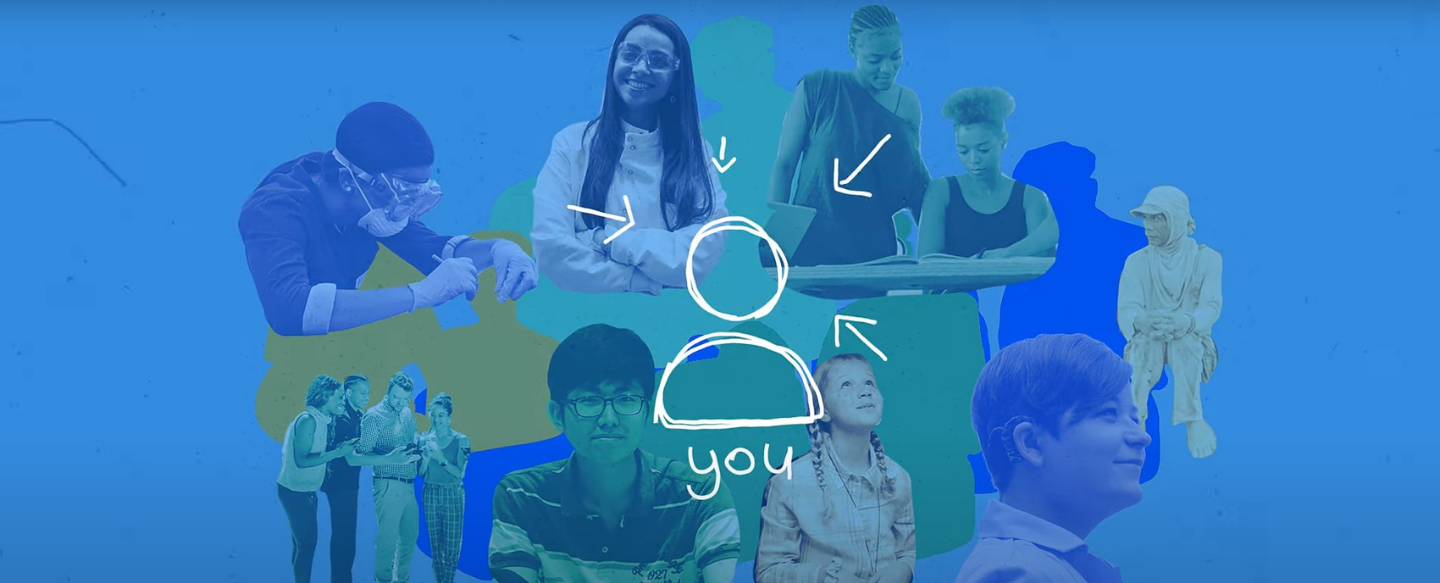
As an educator or educational stakeholder or partner, you can help young people respond to our shared environmental challenges by nurturing your students’ creative problem-solving skills. To help, we’ve made Generation Earthshot. Students are guided through the process of identifying problems, generating ideas, and then presenting on their solutions and following through on next steps.
Generation Earthshot has been created to inspire students everywhere to develop big ideas to tackle the five Earthshot goals. It provides educators with a downloadable toolkit focused on fun creative problem-solving and ideation activities.
This toolkit takes its lead from the principles of design thinking, simplified so that they can be applied throughout different areas of the curriculum, from science and humanities to arts. In essence, it is a tool to help you as educators in your journey to deliver a full and rounded education for your students, developing some important but often overlooked skills.
One of the world’s most popular educationalists, the late Sir Ken Robinson, said: “We’re all born with immense, natural, creative abilities. Children demonstrate them all. We all feel them. But we feel they slip away from us as we get older.” Through education, we can change that.
Generation Earthshot is not currently a competition, but we’d love to see your students’ ideas. You can submit them via the Generation Earthshot website to receive a certificate, and there will be opportunities for student ideas to be showcased alongside others from around the world so that you and your students can feel part of the Earthshot educational community.
In September 2015 World Leaders at the United Nations committed to the Global Goals for Sustainable Development. 17 goals to achieve 3 extraordinary things in the next 15 years. End extreme poverty. Fight inequality and injustice. Fix climate change. To realise these Goals everyone, however young they are, needs to take part. The World’s Largest Lesson is an initiative to introduce students in schools to the UN Global Goals and encourage them to support them and to take part in their achievement.