


How Educators Can Help Students Cope After Disaster
How can educators help students feel safe and supported after a disaster?
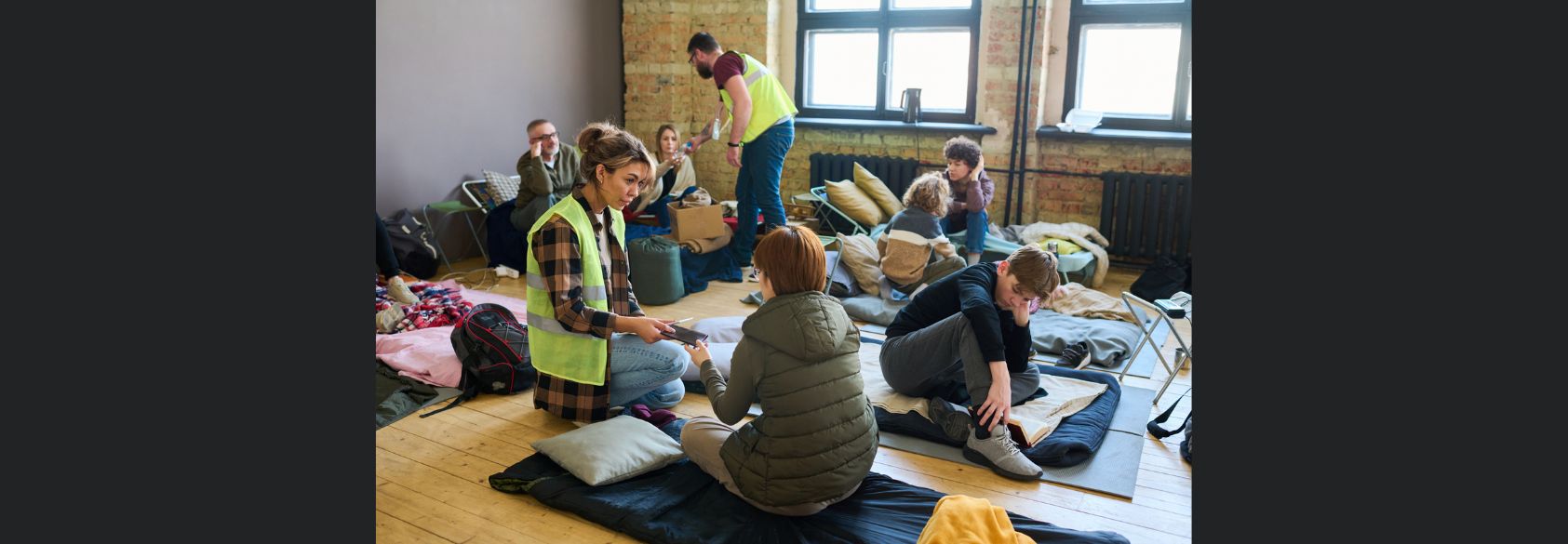
Teachers play a vital role in helping students feel safe, supported, and ready to learn after natural disasters.
Share
August 1, 2025
How can educators help students feel safe and supported after a disaster?
Share
🗓️ Updated: October 29, 2025 (This post has been updated with new resources, trauma-informed teaching strategies, and recovery tools for educators responding to natural disasters.)
I grew up in fire-prone regions of both Northern and Southern California. Wildfire season wasn’t a breaking news event—it was part of life. I remember flames near our backyard, orange skies, and ash settling like dust across the neighborhood.
Living through natural disasters as a child can be deeply unsettling, especially when the adults around you are visibly anxious or unprepared. But I was lucky. I had teachers who explained how wildfires happen, how emergency responders manage them, and how we, as students, could help prevent future disasters. That knowledge gave us a sense of control—and comfort.
Today, climate-linked disasters are becoming more intense and more frequent. Fires in Los Angeles burned through neighborhoods this past winter. Just months later, floods in Texas displaced families and damaged schools. Historic storms, wildfires, and weather-related emergencies are affecting communities nationwide. The pattern is clear—and the impact on students is growing.
Educators, parents, and school staff have a vital role to play. We can help students understand what’s happening, process what they’ve experienced, and prepare emotionally and academically for whatever comes next.
Disasters don’t just damage infrastructure; they disrupt lives. Every school needs a trauma-informed plan to guide students through emotional recovery.
Disasters are no longer rare or isolated. Across the U.S., schools are increasingly disrupted by wildfires, floods, hurricanes, heat waves, and even smoke-related closures. Scientists—including NASA climate researchers—have linked this rise in extreme weather to climate change, and students are noticing.
These climate-related events don’t just damage buildings. They destabilize daily routines, interrupt learning, and can leave lasting emotional effects. For students already navigating poverty, housing insecurity, mental health issues, or trauma, disasters add even more stress and uncertainty.
Understanding the link between climate change and disaster risk is becoming a vital part of K–12 education. Whether you teach science, social studies, health, or counseling, these conversations are critical. Share My Lesson’s Climate Change Education Collection includes ready-to-use lessons, activities, and classroom discussion guides to help build climate literacy and support student resilience.
The better we understand what’s changing—and why—the better prepared we are to support students. Disasters don’t just damage infrastructure; they disrupt lives. Every school needs a trauma-informed plan to guide students through emotional recovery.

The aftermath of historic flooding in rural Texas in July 2025. Photo credit: World Central Kitchen
Disaster recovery in schools isn’t just about rebuilding classrooms and repairing damage. It’s about restoring a sense of safety, connection, and trust—especially for children and teens. Educators, counselors, and school staff play a key role in helping students feel grounded, emotionally supported, and ready to return to learning. Whether you're working through immediate disruptions or planning for long-term healing, trauma-informed, school-based strategies make all the difference.
These classroom-ready resources offer practical, trauma-informed strategies to help students feel safe, supported, and ready to learn after a disaster. Use them to guide classroom discussions, support emotional recovery, and build a stable learning environment. Whether you're teaching after a wildfire, flood, hurricane, or other crisis, these tips can help you respond with empathy, structure, and confidence.
Give students space to process what they’ve experienced. Even young children can benefit from expressing their emotions through writing, drawing, or open discussion. Normalize feelings like fear, sadness, or anger—and reassure students that they’re not alone. Experts emphasize the importance of mental health support after disasters, including events like the recent floods in Texas.
Create a calm, predictable classroom environment. Keep expectations clear but flexible. Students recovering from a disaster may be tired, anxious, or emotionally reactive. A trauma-informed classroom can offer the stability they need. Explore trauma-informed resources for schools.
After a disaster, families may need help with basic needs like housing, food, counseling, or emergency aid. Work with school counselors and social workers to share a community resource list, or post hotline numbers in visible places. Consider distributing a printed guide or digital sheet tailored to your school.
Social-emotional learning (SEL) builds student resilience and coping skills. When appropriate, help students connect their experiences to broader topics like climate change and community action. Try these ready-to-use lessons and activities from the SEL Collection, the Climate Education Collection, and the Disaster Recovery and Preparedness Collection.
Hold age-appropriate classroom discussions on emergency preparedness. Practice drills with compassion and context. Involve students in creating classroom safety plans or building emergency kits. When students know the plan, they feel more secure and confident. Try the FEMA emergency planning toolkit for students or the Build a Kit game to make it interactive.
No school community is immune to disaster—but we can be better prepared, more compassionate, and more connected when a crisis strikes.
To support your school’s planning and recovery efforts, explore the Disaster Recovery and Preparedness Collection on Share My Lesson. You’ll find free lesson plans, trauma-informed teaching strategies, checklists, SEL tools, and professional development resources—all designed to help educators, families, and staff respond with care and confidence.
Disasters may leave damage behind, but recovery begins with people. When students return to school after a crisis, it’s the calm, consistent presence of trusted educators and staff that helps them feel safe again. You don’t need to have all the answers—you just need to show up, listen, and lead with compassion.
Devastation, loss of life, and trauma following a natural disaster like hurricanes, earthquakes or wildfires can be emotionally damaging to our children. Share My Lesson’s curated collection of free resources will help not only you and your students, but your school and community understand and cope with natural disasters and their aftermath.
Want to see more stories like this one? Subscribe to the SML e-newsletter!