

Extremism Scholar Analyzes Influence of Rhetoric on Political Violence
Explore how extremist rhetoric can fuel political violence in this classroom lesson with analysis from a leading scholar.
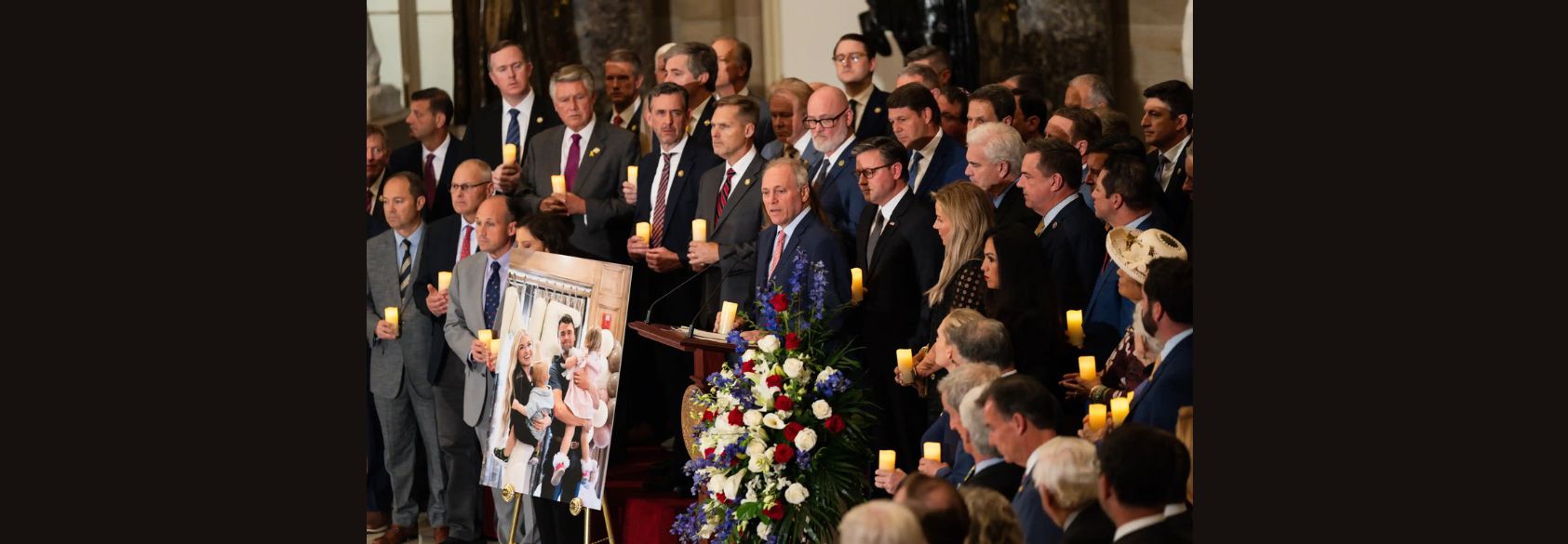
Republicans attended a vigil for the right-wing activist, Charlie Kirk, who was assassinated last week.CreditCredit...Tierney L. Cross/The New York Times
Share
September 17, 2025
Explore how extremist rhetoric can fuel political violence in this classroom lesson with analysis from a leading scholar.
Share
Note: If you are short on time, watch the video and complete this See, Think, Wonder activity: What did you notice? What did the story make you think about? What would you want to learn more about?
The assassination of Charlie Kirk is drawing reaction and concern around the world. Kirk's widow Erica spoke for the first time last night, vowing that his movement will not only continue, but grow. Meanwhile, concerns about political violence and security for political figures continue to rise. Lisa Desjardins speaks with Cynthia Miller-Idriss at American University for more.
View the transcript of the story.
Judy Woodruff's America at a Crossroads series examines growing polarization in the United States. Choose one of the lessons from the series to watch and answer the questions in your notebook or discuss with a neighbor. Or respond to the following question: How does the story demonstrate efforts towards civil dialogue?
Using the challenges to democracy in recent years as a teachable moment, we created resources to help students reflect on threats to democratic principles and explore topics such as media literacy, civil discourse, voter suppression, and misinformation.
Republished with permission from PBS News Hour Classroom.