


Trump Administration Transforms Asylum with Deportations
Then and now: From Ellis Island to modern courtrooms, explore the changing face of immigration in America—and what it means for today’s students.

Image credit: PBS
Share
December 1, 2025
Then and now: From Ellis Island to modern courtrooms, explore the changing face of immigration in America—and what it means for today’s students.
Share
Note: If you are short on time, watch the video and complete this See, Think, Wonder activity: What did you notice? What did the story make you think about? What would you want to learn more about?
A sweeping new investigation by the Associated Press is raising serious questions about what’s happening inside America’s immigration courts. White House Correspondent Liz Landers reports on how the administration has short-circuited the asylum process.
View the transcript of the story.
In this segment, journalist Josh Goodman says that an immigration judge told him, "This is really like deciding death penalty cases in a traffic court environment." What do you think the judge meant by this? How do you think our immigration legal system could work better?
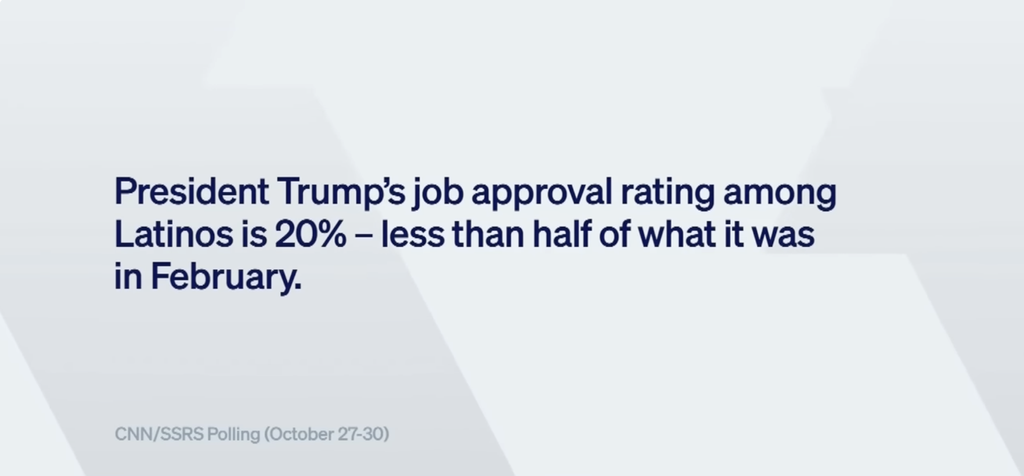
Media literacy: Why do you think News Hour included this infographic at the end of the segment?

Policy and attitudes toward immigration have changed throughout U.S. history, including toward those seeking safety from political repression or violence, known as refugees or asylum seekers. The first department of immigration in the U.S., known as the Bureau of Immigration, was founded in 1891.
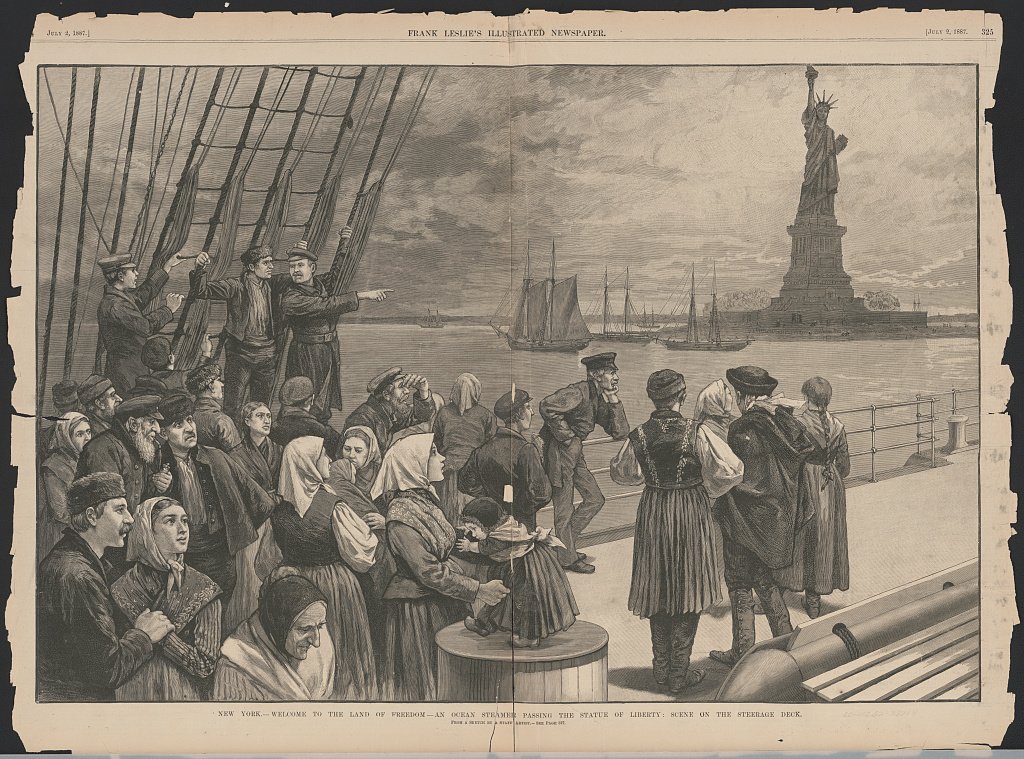
Anti-immigrant sentiment would often target specific populations of immigrants. In the mid-1800s, before the Civil War, a political group called the "Know-Nothings" pushed back against Irish and German immigration. On the West Coast, the Gold Rush brought Chinese immigrants who were often met with discrimination. This discrimination led to the Chinese Exclusion Act of 1882, which banned Chinese laborers from immigrating for ten years and made obtaining citizenship close to impossible. Later, workers would have to seek special permits to be eligible for employment.
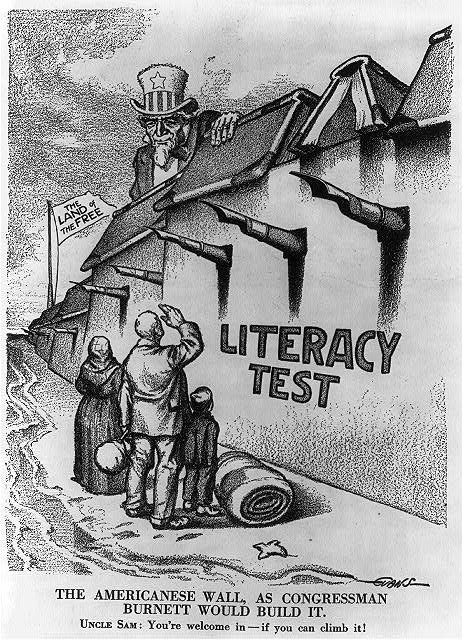
Anti-immigration laws peaked around World War I, including quota systems by country and other barriers such as literacy tests.
After World War II and the establishment of the United Nations, the U.S. began to accept more "displaced persons" under "expedited admission" or a simpler process for immigration. Formal laws governing asylum cases, or a category of refugees seeking protection from political persecution, were established in response partly to people displaced by the Vietnam War.
The Trump administration has begun to dismantle asylum in the United States, partly through executive order. According to one order signed early in Trump's second term, "The United States lacks the ability to absorb large numbers of migrants, and in particular, refugees, into its communities in a manner that does not compromise the availability of resources for Americans, that protects their safety and security, and that ensures the appropriate assimilation of refugees."
As noted in this segment, many individuals seeking formal asylum protections in court are being arrested and deported shortly after judges dismiss their cases.
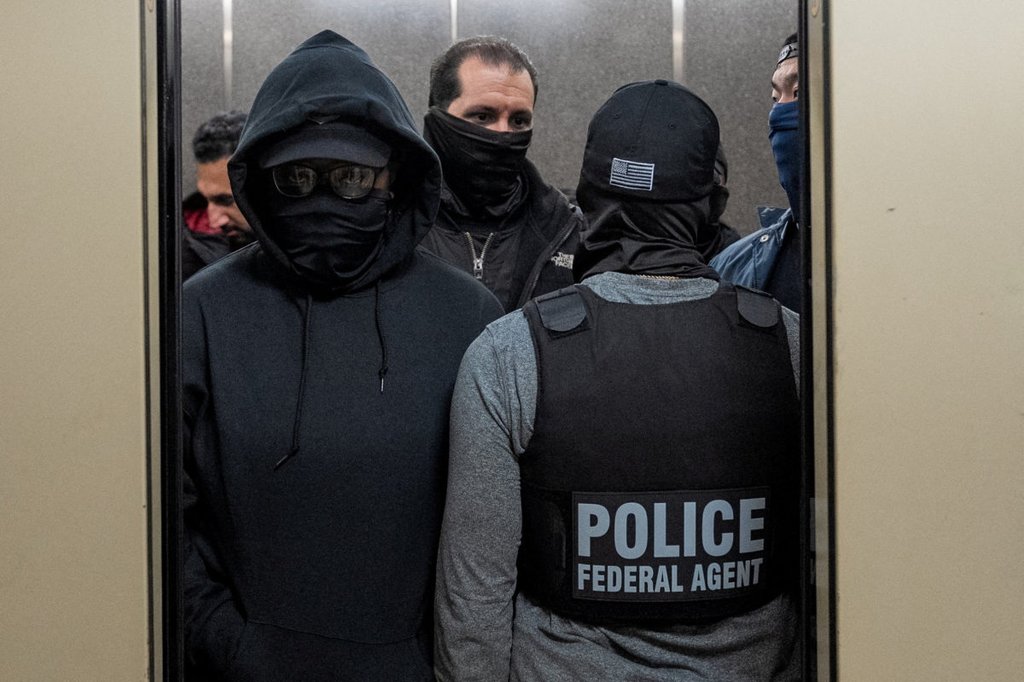
Students can read more about these courthouse arrests here.
Explore dozens of rich, engaging resources to teach about immigration policy, history, and awareness with preK-12 students.
Want to see more stories like this one? Subscribe to the SML e-newsletter!
Republished with permission from PBS News Hour Classroom.