
. Skip to main content
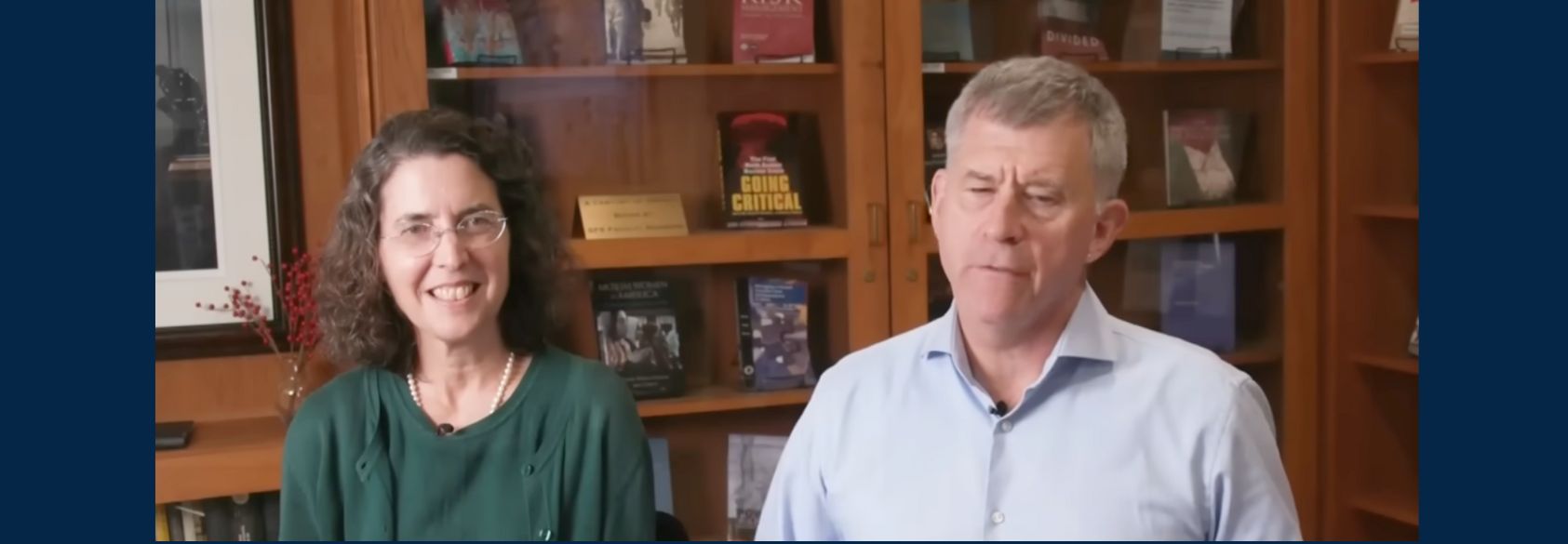
A woman and man sit in front of bookshelves filled with history titles and academic works. The woman smiles warmly while the man looks reflective. Both appear to be part of an interview or educational segment. This image supports a PBS NewsHour Classroom lesson on citizen historians—volunteers who help preserve and transcribe historical documents and artifacts for the Smithsonian and other institutions, expanding access to public history through community participation.

Photo credit: PBS News Hour

Citizen Historians Preserve Details of Smithsonian Exhibits

September 29, 2025

Citizen Historians Preserve Details of Smithsonian Exhibits

Citizen historians bring history to life—see how volunteers help the Smithsonian preserve and share America’s stories.
Share

Share On Facebook
Share On Twitter
Share On Pinterest
Share On LinkedIn
Email

Note: If you are short on time, watch the video and complete this See, Think, Wonder activity: What did you notice? What did the story make you think about? What would you want to learn more about?

The Smithsonian Institution is the world’s largest museum, education and research complex. It's a public-private trust that has long operated at arm's length from the White House, but now finds itself under unprecedented scrutiny from the Trump administration. Jeffrey Brown reports for our series, Art in Action, exploring the intersection of art and democracy and our CANVAS coverage.

View the transcript of the story.

Remote video URL

Discussion Questions

  1. What is the Smithsonian Institution?
  2. When was the Smithsonian established, and why?
  3. Who makes up Citizen Historians for the Smithsonian? What is their goal?
  4. How does Citizen Historians for the Smithsonian carry out its work?
  5. Why is documenting the art and contextual materials of the Smithsonian important, according to the organization?

Focus Questions

  • Who do you think should get to decide what exhibits are included in a national museum system such as the Smithsonian?
  • Do you think non-professional historians have a role in preserving history? If so, what is that role?
  • Media literacy: How is public memory of your own community's history being preserved? Do you know how to find what public or private individuals and organizations are preserving or documenting local history?

Extension Activity

Watch the following segment on ways state and federal officials have sought to define how history can be taught in schools.

Then, as a class, discuss — if you could create a monument or other public art that defines the time and place where you live, what would you make? What would be the subject? How would you present the monument or art to the public?

If there is time, make a sketch of your idea.

Remote video URL

Subscribe to Our Newsletter

Want to see more stories like this one? Subscribe to the SML e-newsletter!

Republished with permission from PBS News Hour Classroom.

PBS News Hour Classroom
PBS News Hour Classroom helps teachers and students identify the who, what, where and why-it-matters of the major national and international news stories. The site combines the best of News Hour's reliable, trustworthy news program with lesson plans developed specifically for... See More
Advertisement

Post a comment

Log in or sign up to post a comment.