

Disenfranchised: How Felony Convictions Affect Voting Rights
Use this free lesson plan to discuss what it means to be disenfranchised, what voter suppression looks like and how people are fighting back.
Share
May 20, 2020
Use this free lesson plan to discuss what it means to be disenfranchised, what voter suppression looks like and how people are fighting back.
Share
Update: A Florida judge recently ruled that restricting voting rights for felons is unconstitutional.
Disenfranchised: Fighting Voter Suppression
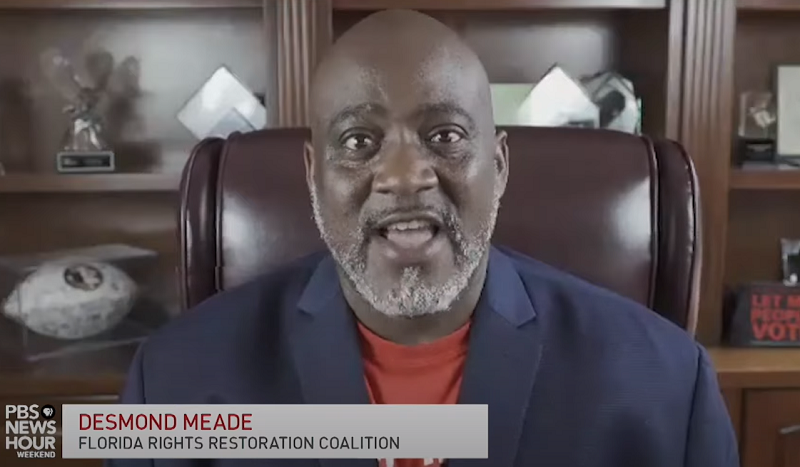
In Florida, people with felony records are fighting to regain their voting rights after being disenfranchised. But the coronavirus has made that struggle more difficult.
Watch the video below and answer the discussion questions. The video has been edited for length. To watch the video in its entirety or read the transcript, click here.
1. Take a look at NewsHour EXTRA current events lesson: How COVID disproportionately affects people of color
2. Watch NewsHour’s Voter Suppression and the impact of COVID-19 on people of color(transcript)featuring Rev. William J. Barber who has long tackled the issues of race, poverty and hatred. His Poor People’s Campaign in June will hold a digital assembly and march on Washington to draw attention to civil rights issues. In this video clip, Barber shares some of his concerns about the ways COVID-19 disproportionately impacts people of color and may impact voting access this fall.
Ask your students:
How might a crisis like COVID-19 deepen unequal access to the law and civil rights such as the right to vote?
Read the original article.