

Support and Read Banned and Challenged Books: Free Resources for Fighting Book Bans
Get free resources to protect access to banned and challenged books in your schools, libraries, and communities.
Share
September 25, 2025
Get free resources to protect access to banned and challenged books in your schools, libraries, and communities.
Share
“Congress shall make no law respecting an establishment of religion, or prohibiting the free exercise thereof, or abridging the freedom of speech, or of the press; or the right of the people peaceably to assemble, and to petition the Government for a redress of grievances.” —The First Amendment
Our fundamental freedom to read continues to be challenged. Children’s books are constant targets of book-banning efforts in school systems and public libraries. Random House Children’s Books is committed to those who stand against censorship, and we continue to publish books that celebrate the freedom of expression.
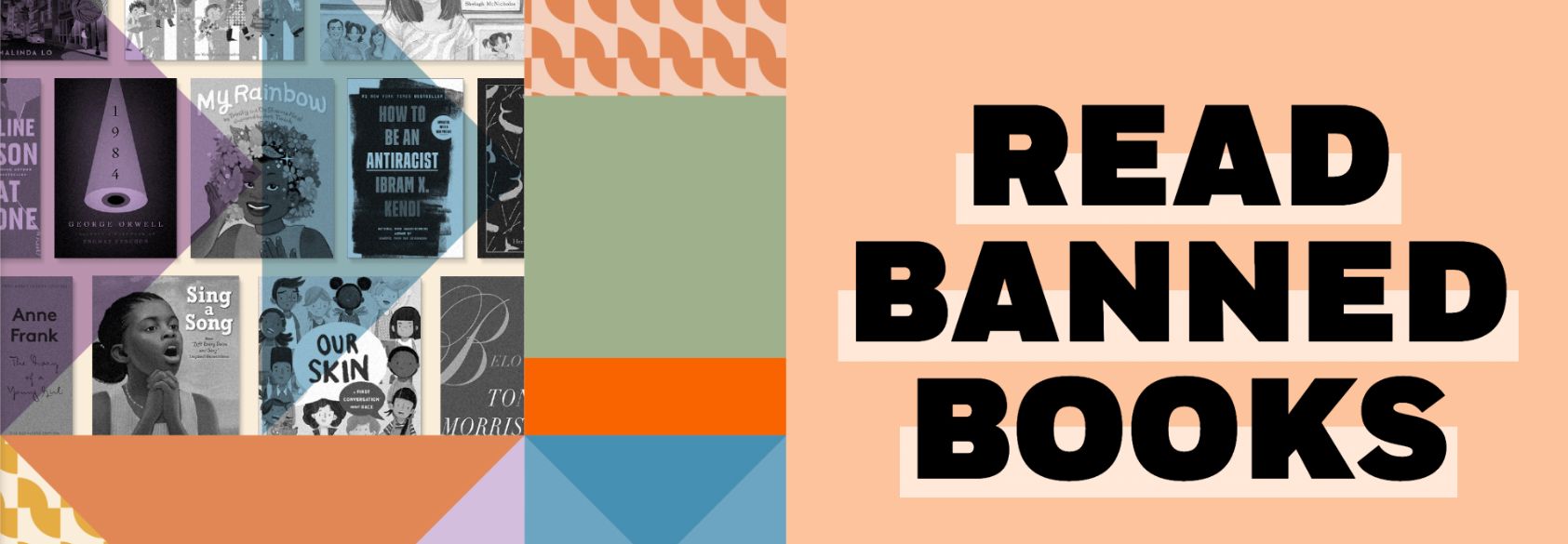
We are proud to support our authors’ right to write and our readers’ right to read. Learn what can be done to protect the freedom to read.
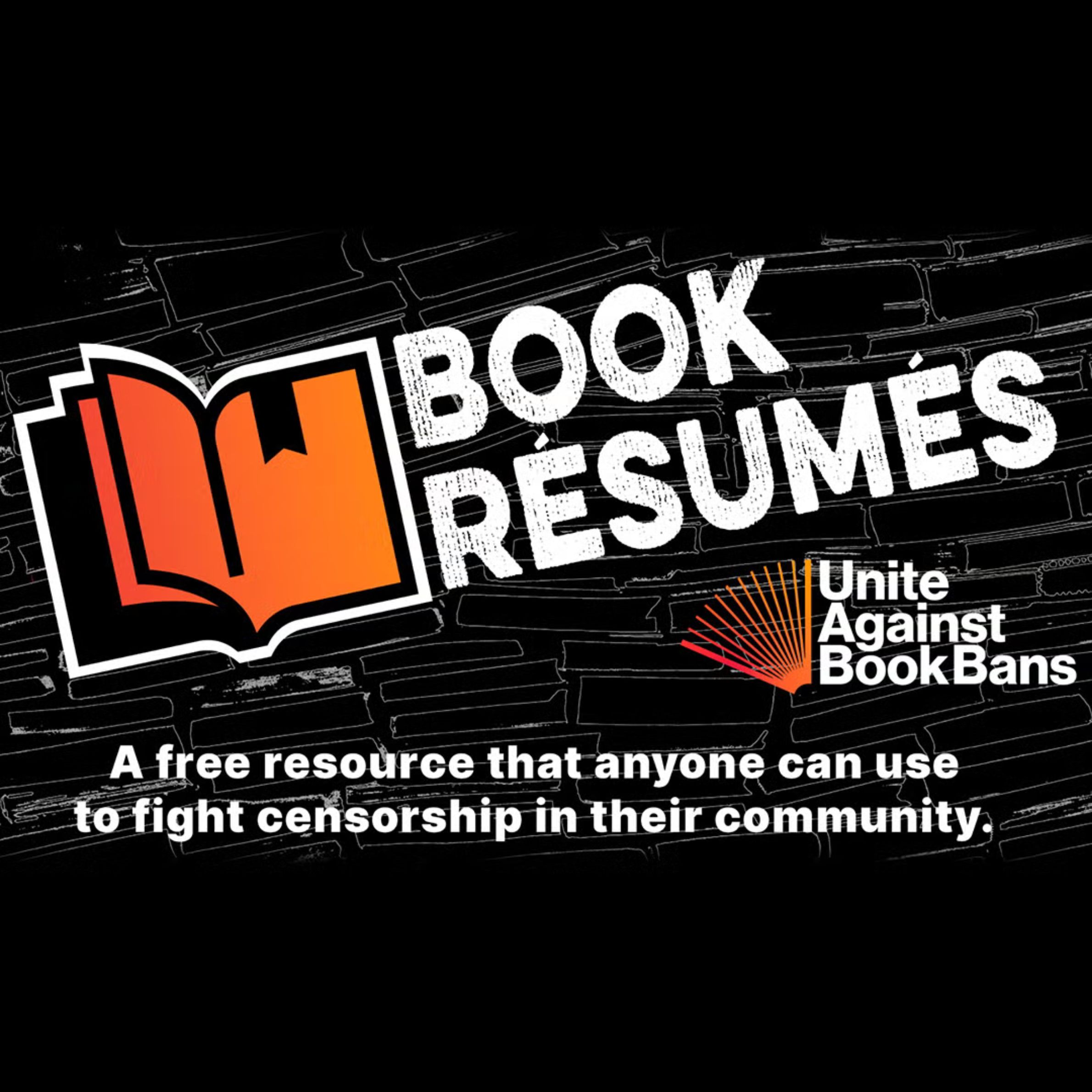
Bookmark this page to access hundreds of book résumés (and growing!) that help teachers, librarians, parents and community members keep books on shelves. Book résumés detail each title’s significance and value and are easy to share with administrators, book review committees, elected officials and board members. Discover more.
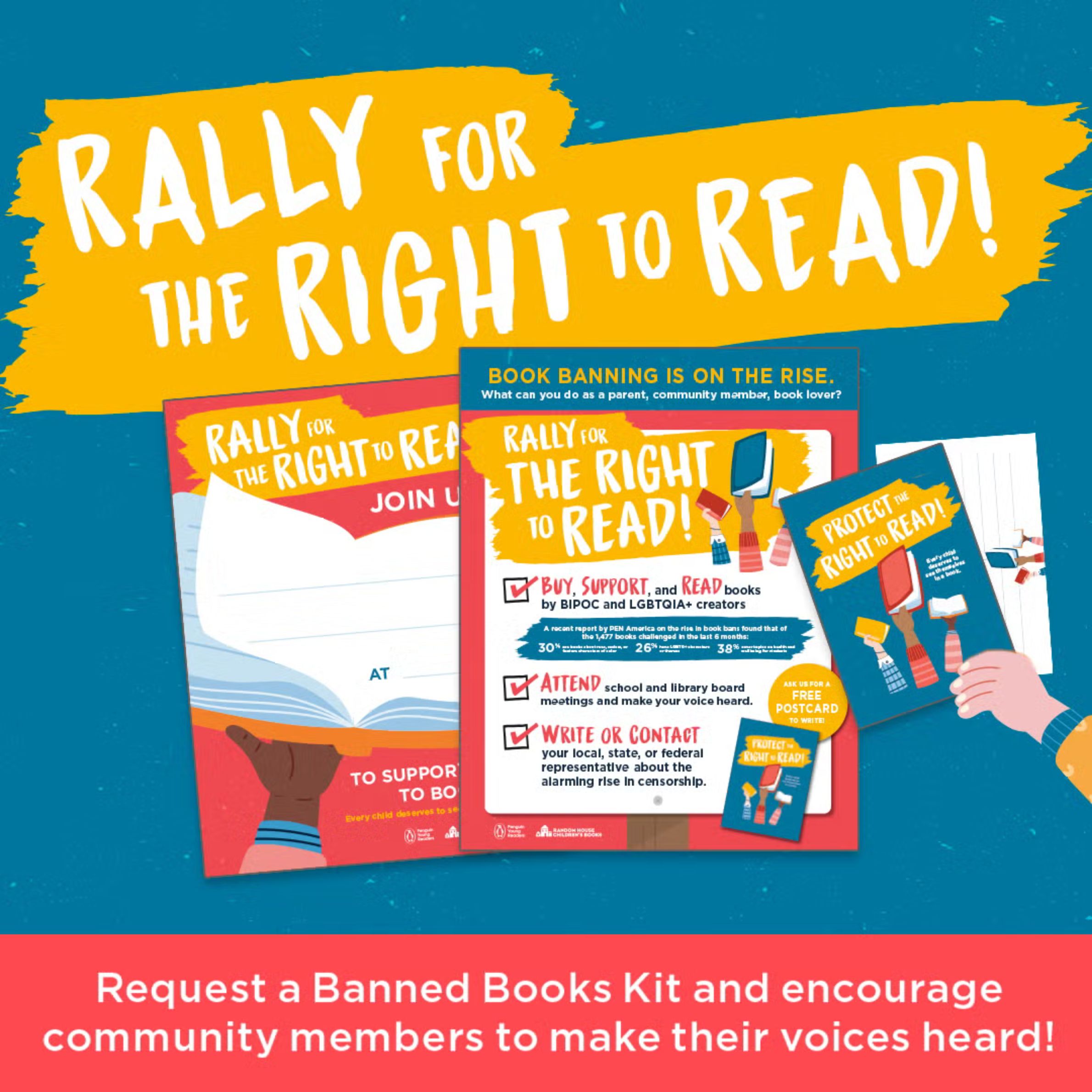
Looking for more resources to help your community organize around banned books? Visit our Rally for the Right to Read site for more downloadable resources, access to our justification database, and to request a kit aimed at spotlighting and fighting censorship in your communities all year long. Learn more.
Most school districts have policies that address controversial materials in the library and classroom, including a process for a citizen to file a formal challenge. Here are ways that school personnel might deal with challenges:
You may want to be ready to discuss controversial subjects and be prepared to address parents’ concerns. You can develop a written rationale to articulate the reasons for using a particular literary work in the classroom. According to the National Council of Teachers of English: “Rationale development should be a part of thoughtful planning for classroom instruction. If we have not reflected on the whys of what we teach, we will be unprepared to meet the needs and challenges of our students and to respond to potential complaints, either from parents or from others in the community who seek to influence the curriculum. (Source: www.ncte.org)
You can provide parents with a copy of the written rationale, as context of how the title in question fits into the curriculum. If a parent raises a challenge, you can advise them to read the entire book, and mention the danger of interpreting language or actions outside the context of the story.
Talk to other teachers, librarians, guidance counselors, principals and the board of education to explain the situation. Getting their support will make a big difference—multiple voices are louder than one.
Be familiar with your material selection policy, including local criteria, the methods for choosing materials and who selects materials. Know your school’s method for dealing with complaints. Make sure the entire school staff is aware of the policy for handling challenges and will adhere to these policies.
Numerous national organizations provide information, tools and support, including Unite Against Book Bans, the American Library Association, the National Coalition Against Censorship and the American Booksellers Foundation for Freedom of Expression.
Freedom of speech is a powerful tool supported by law that protects your rights and the rights of your readers. Click here to download a printable copy of our guide to understanding the First Amendment.
Intellectual freedom is the right of every individual to both seek and receive information from all points of view without restriction. For a fuller analysis and defense of this right, read the Intellectual Freedom and Censorship Q & A here.
Over the years, many books have been challenged. Responses to these challenges are archived on several websites, including www.ala.org/advocacy/intfreedom/librarybill. You can use these past examples to support your defense of a book.
For a sample letter to the editor, organizations that can help and more downloadable resources, or to access the full version of this blog, visit https://rhcbteacherslibrarians.com/latest-buzz/support-read-banned-books/. This abridged blog is posted with permission from Random House Children’s Books Teachers & Librarians.
Using the challenges to democracy in recent years as a teachable moment, we created resources to help students reflect on threats to democratic principles and explore topics such as media literacy, civil discourse, voter suppression, and misinformation.