


By Johanna Cider
If you’re a parent who worries about your kids’ use of social media, you’re by no means alone. Social media’s omnipresence is a concern for many parents today—it’s normal for you to be concerned about what your kids might be doing when you aren’t around, especially if what they are doing could cause them harm. Most adolescents use at least one type of social media, so it’s important to consider how your kids may be affected. Here are a few common concerns about the effect that social media can have on children’s mental health:
Cyberbullying.
It’s far too easy for young social media users to bully each other online. l It can be difficult to pinpoint the perpetrator of anonymous messages, which can understandably make kids anxious and upset.
Fear of Missing Out.
Social media, in particular image-based platforms such as Instagram, may make your children feel like their lives don’t measure up to those of their peers. Many social media users naturally choose to highlight only the best moments of their lives. However, this selective portrayal of living may also contribute to body image issues among young people, as they are consistently exposed to celebrities and influencers encouraging weight loss and posting pictures of their “perfect” bodies.
Physical issues.
Extended use of social media can result in physical problems such as sleep deprivation, which can worsen the symptoms of mental disorders, as well as affect your kids’ school and personal lives. There’s addiction to consider, too: Social media addiction is as real as drug or alcohol addiction, and should be prevented at all costs.
These potential negative effects of social media certainly do not mean that it’s all bad, or that you should ban your kids from using it entirely. Social media can help kids express themselves, and interact with their friends and family—but it’s worth knowing how you can protect your kids from harm. Consider the following ideas:
Discuss your internet needs with your provider.
Today’s internet providers offer a wealth of choices for every type of user. You might like to set a limit of internet use per day, week or month; your provider should be able to help you out with setting a cap or choosing a plan that works best for you. Additionally, you might consider turning the Wi-Fi off at bedtime, so your kids can’t keep scrolling after the lights are out.
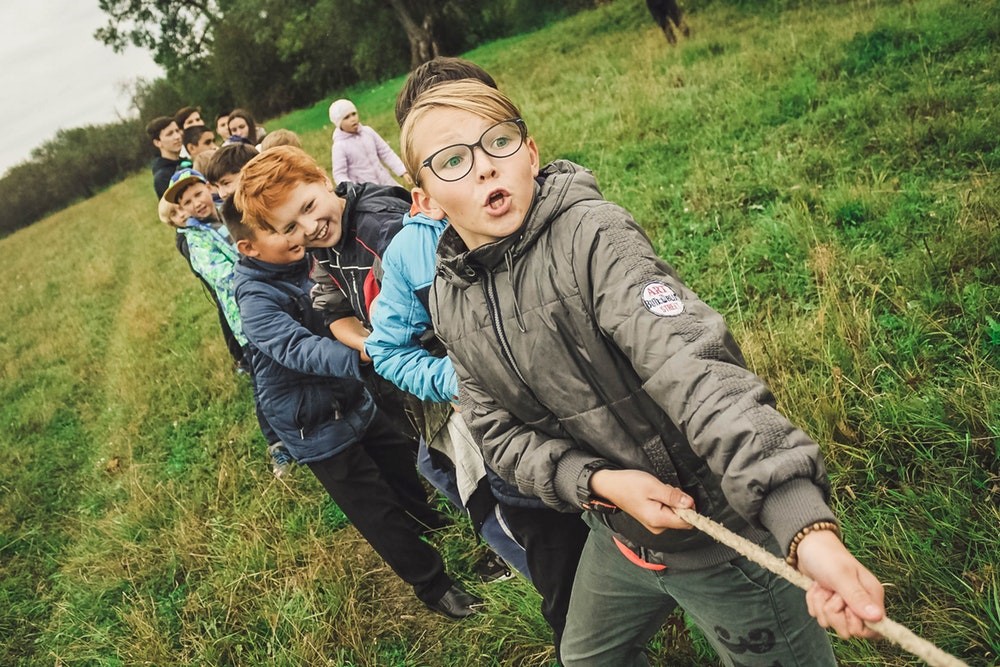
Encourage old-school play.
With today’s kids spending more time in front of screens than ever, you might like to encourage yours to take a break from social media and engage in “old-school” play. Make time for them and suggest activities you might do together, such as playing board games or making art. You’ll be helping to improve their imaginative skills and giving them something new to focus on.
Monitor kids’ accounts and encourage them to talk to you if they have problems.
This one is a little tricky because you don’t want your kids to think you’re spying on them, but it may be a good idea to sit them down and discuss what they’re viewing and posting online. In a non-judgmental way, educate them about the possible issues with social media, and request their account names. You don’t need to read their personal messages; just observe what they’re sharing publicly. And, while you won’t always be able to know exactly what’s going on with your kids’ social media use, you can reassure them that if they ever have problems, they can—and should—talk to you.
Social media can be a useful tool if it’s used in moderation and its users understand when their mental health is being affected. Talk to your kids and be aware of what they’re doing, and you’ll be helping them to use social media wisely and responsibly.

As a freelance writer, Johanna Cider spends countless hours researching and writing on her laptop. Each day, she makes sure to unplug from technology and social media for a few hours to relax and clear her mind. You can discover more about Johanna Cider on her Tumblr page. https://johannacider.tumblr.com/

My Favorite Resources identifies some of the best resources and lessons available to teachers through Creative Commons licenses on Share My Lesson. Teachers from across the country collaborate together to identify the best resources and share them with their colleagues here.
Advertisement